
Table of Contents
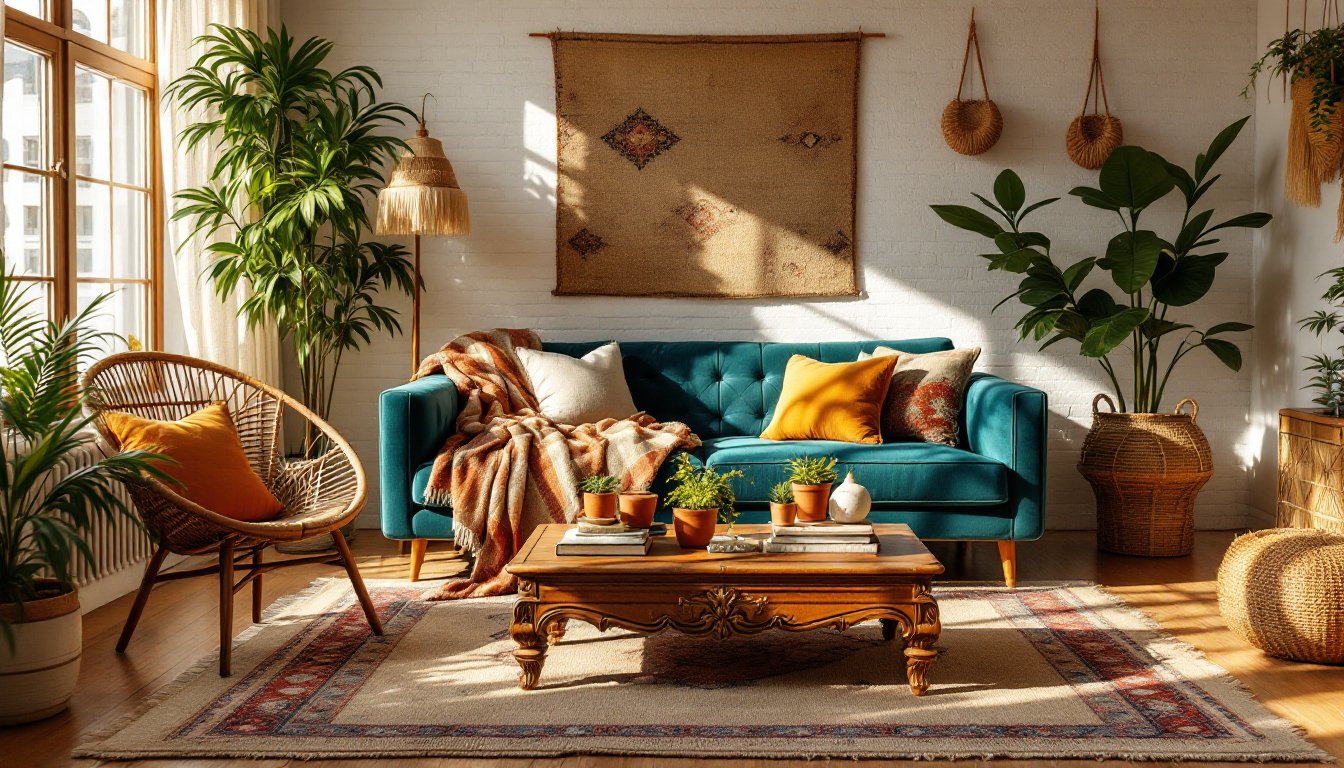
ToggleBohemian style turns living rooms into warm, lived-in spaces that feel collected rather than curated. This approach rejects matching furniture sets and overthought color schemes in favor of personal expression, vintage finds, global textiles, and layers of pattern that shouldn’t work together but somehow do. It’s the aesthetic equivalent of a well-traveled friend’s apartment: comfortable, interesting, and impossible to replicate from a catalog. For homeowners ready to move past beige walls and neutral everything, bohemian decorating offers a practical framework for creating spaces with genuine character.
Key Takeaways
- Bohemian living room decorating prioritizes personal expression and collected pieces over matching furniture sets, creating warm, lived-in spaces that reject conventional design rules.
- Layer rich jewel tones, earthy terracottas, and saturated hues through removable elements like throw pillows, blankets, and textiles rather than painting all walls to avoid visual overload.
- Build textural depth by layering multiple rugs, mixing fabric types (velvet, linen, wool, silk), and incorporating macramé, woven baskets, and carved wooden elements throughout the room.
- Source authentic vintage and global finds from estate sales, thrift stores, and online marketplaces—mismatched furniture and worn pieces add character and story that new purchases cannot replicate.
- Use low-profile seating arranged in conversation clusters, abundant plants in hanging macramé planters, and low lighting to create a cozy, floor-level aesthetic that encourages lounging and gathering.
- Start with one bohemian element and build gradually—whether a vintage rug, plant collection, or global textile—allowing your space to evolve naturally as you discover unexpected combinations that reflect your personal style.
What Defines Bohemian Living Room Style?
Bohemian, or boho, style emerged from artists and travelers who prioritized comfort and individuality over conventional decorating rules. The look centers on mixing eras, origins, and textures without a predetermined plan.
Key characteristics include layered textiles (throws, pillows, rugs stacked on rugs), low-slung seating (floor cushions, poufs, vintage sofas), and collected objects from flea markets, travels, or family attics. Unlike minimalist or modern farmhouse trends, boho spaces embrace abundance. More is more, but it’s intentional abundance, not clutter.
The style works particularly well in spaces with architectural quirks: exposed brick, uneven plaster, or odd angles become features rather than flaws. Bohemian decorating is forgiving. Mismatched furniture legs? Part of the charm. Walls that need repainting? Add a tapestry. It’s functional problem-solving disguised as aesthetics.
This flexibility makes boho ideal for renters or DIYers working with existing finishes they can’t change. No demolition required, just creative layering and an eye for unexpected combinations that reflect personal history rather than design trends.
Choose a Rich, Eclectic Color Palette
Bohemian color schemes reject the neutral-everything trend in favor of jewel tones, earthy terracottas, and deep saturated hues. Think burgundy, mustard yellow, burnt orange, teal, and plum, colors you’d find in Moroccan souks or Indian textiles.
Start with a warm neutral base on walls: cream, warm gray (greige), or soft terracotta. This provides grounding without competing with layered furnishings. If painting isn’t an option, use large textiles to establish the palette, a vintage kilim rug or embroidered wall hanging sets the tone.
Layer in color through removable elements: throw pillows, blankets, curtains, and upholstery. Mix warm and cool tones, rust orange with navy blue, olive green with dusty rose. The key is varying intensity: pair saturated jewel tones with muted earth shades to prevent visual overload.
Accent walls work well in boho spaces, but skip the single painted wall. Instead, try removable wallpaper with botanical or geometric patterns, or hang a large textile. Suzani embroidery, block-printed Indian fabric, or woven wall hangings add color and texture simultaneously. For small space decorating strategies, darker accent colors can actually create depth when balanced with lighter furnishings.
Layer Textures and Patterns for Depth
Texture is the backbone of bohemian style. The goal is tactile variety, smooth against rough, matte against sheen, woven against carved.
Textile layering starts at the floor. Place a jute or sisal rug (typically 8×10 or 9×12 for standard living rooms) as the base layer, then overlap with smaller vintage rugs: Turkish kilims, Persian runners, or Moroccan boucherouite rugs. Rug pads (¼-inch felt and rubber) prevent shifting and add cushion.
On seating, mix fabric types: linen, velvet, wool, cotton, and silk. A worn leather sofa pairs with velvet pillows, macramé cushions, and a chunky knit throw. Avoid matching pillow sets, combine ikat prints with suzani embroidery, block prints with geometric patterns. Vary pillow sizes: 24-inch floor cushions, 20-inch euro shams, and 18-inch standard throw pillows.
Window treatments add another texture layer. Sheer cotton curtains soften light while heavier linen drapes add structure. Hang panels from ceiling to floor using basic traverse rods or clip rings, no need for elaborate hardware. For renters, tension rods work on standard window frames up to 72 inches.
Wall textures matter too. Macramé wall hangings, woven baskets arranged in asymmetric clusters, or mounted textiles break up flat drywall. Wooden elements, carved screens, driftwood, rattan mirrors, introduce organic texture. These design choices frequently appear in spectacular bohemian living rooms that balance multiple textures without visual chaos.
Incorporate Vintage and Global Finds
Authentic bohemian spaces rely on collected rather than purchased-all-at-once furnishings. Vintage and global pieces provide the patina and story that new furniture can’t replicate.
Source vintage seating from estate sales, thrift stores, or online marketplaces. A mid-century sofa, Victorian settee, or rattan peacock chair becomes a focal point. Don’t worry about perfect condition, worn velvet and faded wood add character. Reupholstering is optional: throw blankets and pillows hide most flaws.
Global textiles are essential: Moroccan wedding blankets, Indian block-printed bedspreads, Turkish towels, or Mexican serape blankets. These typically cost $30–$150 depending on age and origin. Use them as throws, wall hangings, or even upholstery fabric for DIY ottoman projects.
Wooden furniture from different eras and countries creates intentional mismatch. A Moroccan carved coffee table, Danish modern sideboard, and Indian brass-inlaid side table shouldn’t match, that’s the point. When selecting pieces, check joinery and stability (important if you’re actually using them, not just styling). Loose joints can be reglued with wood glue and clamps.
Display collections strategically: vintage books stacked horizontally, ceramic pottery grouped on shelves, brass vessels clustered on side tables. This works similarly to accent chair placement where a single standout piece anchors a corner. Avoid overcrowding, bohemian isn’t hoarder chic. Each object should have visual breathing room.
Add Lush Greenery and Natural Elements
Plants aren’t decorative afterthoughts in bohemian spaces, they’re architectural elements. The style favors abundant, slightly wild greenery over minimalist single-stem arrangements.
Choose plants with varied shapes and textures: trailing pothos or string-of-pearls in hanging macramé planters, large-leaf monstera or fiddle-leaf figs as floor plants (minimum 10-inch pot diameter for visual impact), and succulents or cacti grouped on shelves. Terracotta, ceramic, and woven basket planters reinforce the natural aesthetic.
Hanging plants maximize vertical space without cluttering surfaces. Install ceiling hooks (use toggle bolts for drywall, rated for at least 15 pounds) or hang from existing beams if your space has exposed structure. Space hanging planters at varying heights, not in a straight line.
Natural fiber elements extend the organic theme: jute rugs, rattan furniture, bamboo blinds, driftwood wall art, or woven storage baskets. A large woven basket (18–24 inches diameter) works for blanket storage while doubling as sculptural decor. According to design experts at Apartment Therapy, incorporating natural textures helps ground eclectic color palettes.
Dried elements add texture without maintenance: pampas grass in floor vases (36–48 inches tall), eucalyptus bundles hung from walls, or dried palm fronds in tall ceramic vessels. These last indefinitely and suit renters who can’t commit to plant care.
Create Cozy Seating Areas with Low Furniture
Bohemian living rooms prioritize lounging over formal seating. The furniture sits lower and deeper than conventional sofas, creating a relaxed, floor-level vibe.
Floor cushions and poufs are foundational. Moroccan leather poufs (typically 20–24 inches diameter, 12–14 inches high) serve as ottomans, extra seating, or side tables. Stack oversized floor pillows (26–32 inches square) in corners for casual seating during gatherings. Look for removable covers in durable fabrics like canvas or heavy cotton, they’ll need washing.
Sofas and daybeds should have low profiles: 16–18 inches seat height versus the standard 18–20 inches. Platform-style sofas, futons with wooden frames, or vintage settees work well. Add extra cushioning with foam toppers if existing seating feels hard, high-density foam (1.8 pounds per cubic foot or higher) holds up better than cheap polyester fill.
Arrange seating in conversation clusters rather than perimeter placement. Float a sofa away from the wall, anchor it with a rug, and surround with poufs and floor cushions. This works even in smaller rooms, leaving wall space open actually makes spaces feel larger, similar to principles covered in compact living solutions.
Low furniture requires low tables: 14–18 inches high. Moroccan tray tables, vintage luggage stacks, or DIY crate tables match the aesthetic. For DIY options, stack wooden wine crates (reinforce corners with wood glue and finishing nails) or place a round tray (20–24 inches diameter) on an upturned basket.
Lighting stays low too: floor lamps with fabric shades, string lights draped along walls, or clustered candles on brass trays. Avoid overhead recessed lighting when possible, it’s too harsh. Table lamps on the floor (placed on books or small stools) create ambient pools of light that enhance the cozy atmosphere.
Conclusion
Bohemian living rooms succeed because they prioritize comfort and personal expression over design rules. The layered textiles, collected vintage pieces, and abundant greenery create spaces that feel lived-in from day one. Start with one element, a vintage rug, a collection of plants, or a few global textiles, and build from there. The beauty of this style is its flexibility: it evolves as the homeowner collects new pieces and develops their eye for unexpected combinations that work.


