
Table of Contents
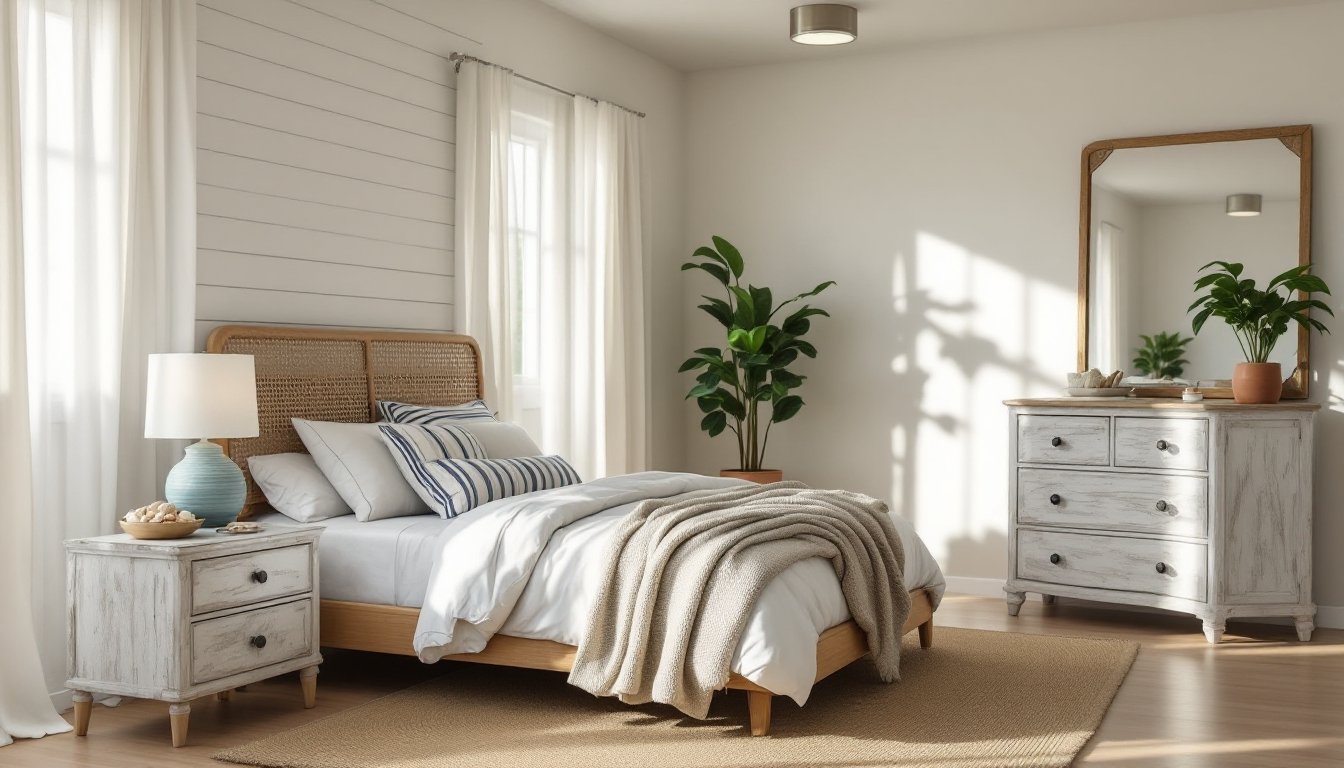
ToggleTurning a bedroom into a coastal retreat doesn’t require a waterfront address or a massive budget. It takes thoughtful material choices, a restrained color palette, and a few well-placed accents that reference the shore without tipping into theme park territory. Whether working with a rental or planning a full renovation, the goal is the same: create a space that feels airy, calm, and connected to the natural rhythms of the coast. This guide walks through the practical steps, from paint selection to lighting fixtures, so anyone can pull off a beach-inspired bedroom that holds up to daily use.
Key Takeaways
- Beach-themed bedroom ideas work best with a restrained coastal color palette of whites, soft blues, and sandy tones layered through paint, textiles, and decor rather than one dominant hue.
- Natural materials like weathered wood, rattan, linen, and jute create authentic coastal texture while avoiding polished or synthetic finishes that contradict the airy aesthetic.
- Soft, breathable bedding in 100% cotton or linen with layered textures and minimal patterns sets the foundation for a calming coastal retreat.
- Strategic wall treatments like shiplap, soft accent walls, or peel-and-stick wallpaper establish a beach-cottage feel without requiring extensive renovation.
- Lighting should emphasize natural daylight through light window treatments and feature soft fixtures in brushed nickel, matte white, or natural materials like rattan.
- Decor accents should be intentional and minimal—grouped in odd numbers on surfaces—to evoke the shore without descending into theme-park kitsch with artificial sea glass or novelty signs.
Choose a Coastal Color Palette That Brings the Ocean Inside
A coastal color scheme relies on soft, bleached tones that mimic sand, sky, and surf. Start with a neutral base: whites, warm grays, or pale taupes on the walls. These shades reflect natural light and make small bedrooms feel larger.
Accent colors should reference the beach without screaming “nautical.” Soft blues, think weathered denim or fog over water, work well on trim, built-ins, or a single accent wall. Avoid bright cobalt or navy unless balancing it with lots of white. Sandy beiges, driftwood grays, and muted seafoam greens round out the palette.
When selecting paint, opt for low-VOC formulas with a matte or eggshell finish. Flat finishes hide wall imperfections common in older homes, while eggshell offers subtle sheen and easier cleaning. A gallon typically covers 350–400 square feet, so measure wall area before buying.
Avoid over-saturating the room with blue. Coastal design works best when color appears in layers, walls, textiles, and decor, rather than one dominant hue. If unsure, lean toward whites and layer in color through removable elements like bedding and art.
Select Beach-Inspired Bedding and Textiles
Bedding sets the tone for a coastal bedroom. Look for 100% cotton or linen in relaxed weaves, percale, chambray, or stonewashed linen. These fabrics soften with age and breathe well, which matters in warmer climates or south-facing rooms.
Stick to white, cream, or light blue for sheets and duvet covers. Layering different textures, like a chunky cotton blanket over linen sheets, adds depth without busy patterns. Striped throws in navy or gray reference classic beach umbrellas but stay subtle.
For pillows, mix solids with one or two patterned shams. Coastal patterns include subtle stripes, coral prints, or small-scale geometric designs inspired by rope or waves. Avoid cartoon sea creatures or loud tropical florals unless the goal is a kids’ room.
Natural fiber rugs, jute, sisal, or seagrass, anchor the bed and add texture underfoot. A 5×8 or 8×10 rug works for most bedrooms, positioned so at least the front legs of the bed rest on it. Jute rugs shed initially, so vacuum frequently during the first few weeks. They’re durable but can be rough: layer a softer cotton rug on top if walking barefoot is a priority.
Curtains should be light and breezy. Sheer linen or cotton panels filter light without blocking it entirely. Install curtain rods close to the ceiling and let panels puddle slightly on the floor to add height. Skip heavy drapes, they contradict the airy feel coastal design aims for.
Incorporate Natural Materials and Textures
Coastal bedrooms rely on materials that feel organic and unfinished. Weathered wood, rattan, wicker, and linen all fit the aesthetic. The goal is to avoid anything too polished or synthetic.
For furniture, look for solid wood pieces with a bleached, whitewashed, or natural finish. Avoid glossy stains or dark espresso tones. If working with existing dark wood furniture, consider refinishing. Lightly sand surfaces, apply a water-based white or gray stain, then seal with matte polyurethane. This process takes a weekend but dramatically changes the feel of a piece.
Rattan headboards or bedside tables add texture without visual weight. Rattan is woven from palm stems and holds up well indoors. Wicker (typically woven willow or reed) is similar but less durable: reserve it for decorative baskets or accent chairs that see light use.
Introducing multiple textures keeps the room from feeling flat. Pair smooth linen bedding with a chunky knit throw, or place a rough jute rug beneath a sleek wood bench. When planning bedroom makeovers, layering textures helps create visual interest without adding clutter.
Live plants bring in organic shapes and improve air quality. Snake plants, pothos, and ZZ plants tolerate low light and irregular watering, ideal for bedrooms. Use ceramic or terracotta pots in neutral tones. Avoid plastic planters: they undercut the natural material vibe.
Add Nautical and Coastal Decor Accents
Decor accents tie the theme together, but restraint is critical. Too many anchors, ropes, and starfish veer into kitsch.
Start with framed coastal photography or abstract art in blues and whites. Black-and-white beach scenes or minimalist wave prints work well above the bed. Use simple wood or metal frames, nothing ornate. Gallery walls are fine but keep spacing consistent (usually 2–3 inches between frames).
Mirrors reflect light and make rooms feel larger. Look for mirrors with driftwood-style frames, rope-wrapped edges, or simple whitewashed wood. A large mirror (at least 30×40 inches) opposite a window maximizes natural light.
For smaller accents, choose items with purpose. A ceramic bowl filled with collected shells, a glass jar of sand, or a single piece of coral on a shelf reads as intentional. Grouping three or five items (odd numbers are more visually pleasing) on a dresser or nightstand works better than scattering decor throughout the room.
Rope accents can work if kept minimal. A length of thick nautical rope (available at marine supply stores) wrapped around a vase or used as a curtain tieback adds texture. Avoid rope-wrapped everything, it’s overkill.
Skip the wooden “BEACH” signs and artificial sea glass. They cheapen the look. Inspiration from modern home decor ideas often highlights how less literal interpretations create more sophisticated spaces.
Design Your Walls With Beach-Themed Elements
Walls offer the largest canvas for establishing a coastal feel, but technique matters more than sheer coverage.
Shiplap or tongue-and-groove paneling instantly evokes beach cottages. Installing it as a full wall treatment or wainscoting (typically 32–36 inches high) adds dimension. Use 1×6 or 1×8 pine boards (actual dimensions: 3/4″ x 5-1/2″ or 3/4″ x 7-1/4″). Space boards with a nickel or dime as a gap guide for consistent reveals. Paint in white or soft gray.
Installation requires a miter saw, level, stud finder, brad nailer, and paintable caulk. Locate wall studs and nail boards directly into them. Caulk gaps before painting for a seamless look. This is a weekend project for someone comfortable with a saw: beginners should practice cuts on scrap wood first.
Accent walls in soft blue or seafoam work if the other three walls stay neutral. Use painter’s tape for clean lines, especially where walls meet trim. Remove tape while paint is slightly tacky (about 30–60 minutes after the final coat) to prevent peeling.
For renters or those avoiding permanent changes, peel-and-stick wallpaper offers pattern without commitment. Coastal options include subtle wave designs, linen textures, or soft watercolor styles. Application is straightforward but requires patience, smooth from the center outward to avoid bubbles, and use a smoothing tool or credit card wrapped in a soft cloth.
Another option: a limewash or color wash technique creates soft, layered color reminiscent of sun-bleached walls. This involves diluting paint with water (roughly 1:1 ratio) and applying with a brush in random strokes. It’s forgiving and hides imperfections, but practice on poster board first.
Create Ambiance With Coastal Lighting Fixtures
Lighting shapes how a room feels, especially in a coastal bedroom where natural light is the ideal.
Maximize daylight by keeping window treatments light. If privacy is a concern, install top-down, bottom-up shades, these cover the lower half of a window while leaving the top open. Cellular shades in light-filtering fabrics work well and provide insulation.
For overhead lighting, avoid heavy chandeliers or anything too formal. Flush-mount or semi-flush fixtures in brushed nickel, matte white, or natural materials like rattan or bamboo suit the aesthetic. Look for fixtures with frosted glass or linen drum shades that diffuse light softly.
A ceiling fan with light kit is practical in warmer climates. Choose models with white or light wood blades and a streamlined profile. Fans should be installed on a ceiling box rated for fan weight and wired according to NEC (National Electrical Code) standards. If unsure about electrical work, hire a licensed electrician, improper wiring is a fire hazard.
Table lamps on nightstands should be proportional to the furniture, roughly 24–27 inches tall for standard nightstands. Ceramic bases in soft blues, whites, or natural textures pair well with linen or cotton shades. Resources like interior design trends often showcase how lighting layering, ambient, task, and accent, creates depth.
String lights or lanterns add soft ambient light but can look juvenile if overdone. Battery-operated LED string lights with warm white bulbs (not multicolor) wrapped sparingly around a headboard or mirror work for a subtle glow. Vintage-style lanterns (real or battery-operated) on a dresser or shelf add charm without feeling too themed.
Install dimmer switches on overhead lights to adjust brightness throughout the day. Most dimmers are compatible with LED bulbs, but verify compatibility before buying. Installation involves shutting off power at the breaker, removing the existing switch, and wiring the dimmer per manufacturer instructions, a straightforward task for anyone comfortable with basic electrical work. Always test with a non-contact voltage tester before touching wires.
Conclusion
A well-executed beach-themed bedroom balances color, texture, and restraint. It’s about evoking the coast through thoughtful material choices and layered details, not cramming in every nautical cliché. Whether installing shiplap, swapping out bedding, or adding a jute rug, each decision should serve the larger goal: a calm, functional space that feels like a retreat. Start with one or two changes, live with them, then build from there.


