
Table of Contents
ToggleCreating a bedroom that actually feels like a retreat doesn’t require a contractor or a complete gut job. Most people overlook simple changes, paint choices, bedding layers, lighting placement, that make the biggest difference in how restful a space feels. A cozy bedroom isn’t about buying everything new: it’s about making deliberate choices with color, texture, light, and layout. The goal is a room that invites sleep and calm, not clutter and chaos. With some focused tweaking, any bedroom can shift from “just functional” to genuinely restorative.
Key Takeaways
- Cozy relaxing bedroom ideas focus on deliberate choices with color, texture, lighting, and layout rather than buying everything new.
- Choose soft, muted paint colors like warm grays, dusty blues, and sage greens, or use bedding and textiles to carry a calming color scheme without overwhelming the eye.
- Layer your bedding with a fitted sheet, flat sheet, duvet, and throw blanket to allow temperature adjustment throughout the night while creating an inviting appearance.
- Replace bright white bulbs with warm white bulbs (2700K–3000K) and install dimmer switches to create multiple light sources that signal relaxation to your brain.
- Incorporate natural elements like wood furniture, low-maintenance houseplants, and natural fiber textiles to make the space feel grounded and less sterile.
- Declutter surfaces and organize closets with matching hangers and labeled storage bins to eliminate visual chaos that directly undermines bedroom calm.
Choose Soothing Colors and Textures
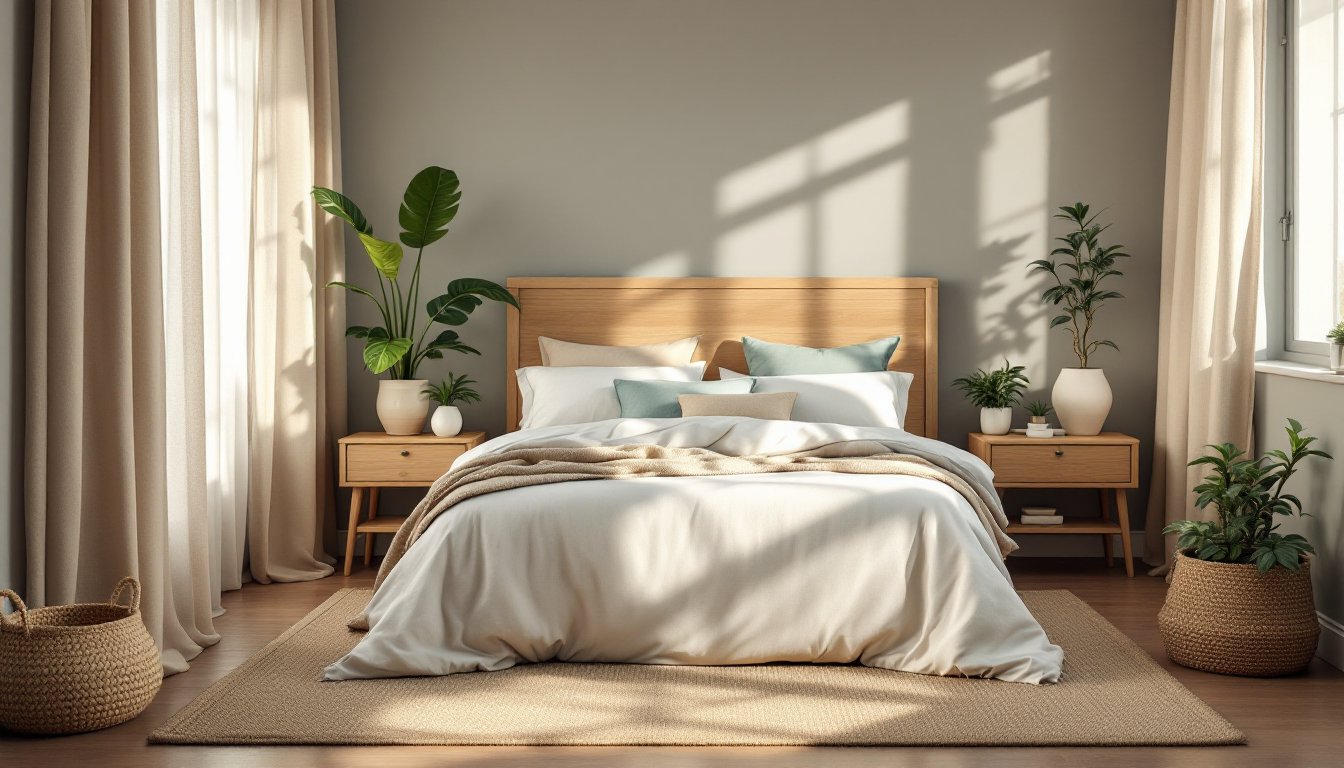
Paint color sets the tone for everything else in the room. Stick with soft, muted tones, think warm grays, dusty blues, sage greens, or creamy off-whites. These shades lower visual stimulation and make the space feel larger and calmer. Avoid stark whites or overly saturated colors: they can feel clinical or energizing, which works against relaxation.
If repainting isn’t in the budget, bedding and textiles can carry the color scheme. A linen duvet in oatmeal or a quilted coverlet in soft taupe brings warmth without overwhelming the eye. Layer in throw pillows and blankets in complementary tones, mixing textures like chunky knit, velvet, and cotton waffle weave adds visual interest without clutter.
Textured wall treatments also contribute to coziness. Consider board-and-batten paneling painted in a single color for subtle dimension, or a textured wallpaper accent wall behind the bed. Skip glossy finishes: matte or eggshell paint absorbs light rather than reflecting it, which feels softer at night. If working with existing wall color, a few bedroom makeovers focus on swapping out accessories rather than paint to shift the mood quickly.
Natural fiber rugs, jute, sisal, or wool, add warmth underfoot and help absorb sound, making the room quieter. Layering a smaller, softer rug over a larger natural fiber one gives you the best of both: texture and comfort.
Layer Your Bedding for Ultimate Comfort
A bed that looks inviting usually has at least three to four layers: a fitted sheet, a flat sheet, a duvet or quilt, and a throw or coverlet at the foot. This isn’t just for aesthetics, layering allows sleepers to adjust warmth throughout the night without getting up.
Start with high-thread-count cotton or linen sheets. Cotton percale (200–400 thread count) is crisp and breathable: cotton sateen is smoother and has a subtle sheen. Linen wrinkles easily but regulates temperature better than most fabrics, making it ideal for year-round use. Wash and dry all bedding before use to preshrink and soften the fibers.
For the duvet or comforter, choose a fill power suited to your climate. Down or down-alternative with 600–700 fill power offers a good warmth-to-weight ratio. Use a duvet cover that’s easy to remove and wash, corner ties or hidden zippers prevent the insert from bunching.
Pillows matter more than most people think. A mix of two sleeping pillows (firm enough to support the neck) and one or two decorative euro shams (26″ × 26″) gives the bed structure. Skip the dozen tiny throw pillows: they’re a pain to deal with and add no real comfort. Designers often recommend sticking to two or three accent pillows maximum.
Throw blankets at the foot of the bed aren’t just decorative. A chunky knit or quilted cotton throw adds a layer you can pull up without disturbing the main bedding. Drape it casually rather than folding it perfectly, it should look livable, not staged.
Optimize Lighting for Relaxation
Overhead lighting alone rarely creates a relaxing atmosphere. Bedrooms benefit from multiple light sources at different heights, a ceiling fixture or fan, bedside lamps, and possibly a floor lamp or wall sconces.
Swap out any bright white bulbs (5000K–6500K color temperature) for warm white bulbs in the 2700K–3000K range. This mimics the glow of incandescent bulbs and signals to the brain that it’s time to wind down. LED bulbs in this range are energy-efficient and last years.
Bedside lamps should be tall enough that the bottom of the shade sits at or just below eye level when sitting up in bed, usually 24″ to 27″ total height. This prevents glare while reading. Use three-way bulbs or lamps with built-in dimmers so you can adjust brightness without getting up.
Incorporate Dimmable and Ambient Options
Dimmer switches are one of the easiest upgrades for a bedroom. Standard toggle dimmers cost $15–$25 and install in about 15 minutes if you’re comfortable working with household wiring. Turn off the breaker, remove the old switch, and connect the dimmer’s wires to the existing circuit wires, black to black (hot), white to white (neutral), and green or bare copper to ground. If the wiring setup is unfamiliar, hire a licensed electrician: incorrect wiring is a fire hazard.
For renters or anyone avoiding electrical work, plug-in dimmer modules work with any lamp. They sit between the outlet and the lamp plug and allow adjustment via a dial or remote.
Ambient lighting, like LED strip lights behind a headboard or under floating nightstands, adds a soft glow without taking up surface space. Choose strips with adhesive backing rated for indoor use and a warm color temperature. Many interior design approaches incorporate hidden lighting to make rooms feel larger and more inviting.
Add Natural Elements and Greenery
Bringing organic materials into the bedroom makes the space feel grounded and less sterile. Wood furniture, nightstands, dressers, bed frames, should show grain and texture, not high-gloss finishes. Reclaimed or unfinished wood adds character without formality.
Houseplants improve air quality and add life to the room, but not all plants thrive in bedrooms. Snake plants, pothos, and ZZ plants tolerate low light and need watering only every 1–2 weeks. Avoid plants that require high humidity or frequent misting: they can promote mold growth in enclosed spaces.
Place plants on nightstands, dressers, or wall-mounted shelves. Use ceramic or terracotta pots with drainage holes to prevent root rot. Set pots on saucers to catch excess water. If floor space allows, a larger plant like a fiddle leaf fig or rubber plant in a 10″ or 12″ pot can anchor a corner.
Natural fiber textiles, linen curtains, jute rugs, cotton throws, reinforce the organic aesthetic without pattern overload. These materials age well and develop a lived-in softness over time. Avoid synthetic fabrics that pill or develop static: they cheapen the overall feel.
Consider adding woven baskets for storage. A large basket at the foot of the bed holds extra blankets: smaller ones on shelves corral charging cables, books, or toiletries. Wicker, seagrass, and rattan all work: choose based on the room’s color palette.
Declutter and Organize Your Space
A cluttered bedroom kills relaxation faster than poor lighting or bad paint. Start by removing anything that doesn’t belong: paperwork, dishes, laundry piles, random junk. If it’s not sleep-related, decorative, or clothing, it doesn’t belong in the bedroom.
Nightstand surfaces should hold only essentials: a lamp, a clock or charging station, maybe a book or a small plant. Everything else goes in a drawer or off the nightstand entirely. Charging cables can be managed with adhesive cable clips on the back edge of the nightstand or a dedicated charging dock.
Closet organization directly impacts bedroom calm. Use matching hangers, wood or velvet-covered, to maximize space and prevent clothes from slipping. Store out-of-season clothing in bins under the bed or on high closet shelves. Label bins clearly: future-you will appreciate it.
Under-bed storage works well for small space decorations, but only if the bed frame has sufficient clearance. Most platform beds sit 8″ to 12″ off the floor: look for storage bins or drawers in the 5″ to 6″ height range to allow easy sliding. Consider bed risers if additional clearance is needed, they lift the bed 3″ to 6″ and are sold in sets of four.
Dressers and shelves shouldn’t overflow. If drawers don’t close easily, it’s time to purge or reorganize. Use drawer dividers for small items like socks, belts, and accessories. Open shelving should be curated, a few meaningful objects, not a crowded display. According to guidance from The Spruce, editing down to a few well-chosen items makes spaces feel intentional rather than chaotic.
Keep surfaces clear by assigning a home for everything. A wall-mounted hook rail near the door handles tomorrow’s outfit, bags, or robes. A valet stand or chair in the corner prevents the dreaded clothes pile from taking over.
Conclusion
Building a cozy, restful bedroom doesn’t demand a full renovation or a designer’s budget. Thoughtful changes, color choices, layered bedding, smart lighting, natural materials, and disciplined organization, shift a room from functional to restorative. Start with one section, finish it completely, and move to the next. A bedroom that supports real rest is worth the effort.


