
Table of Contents
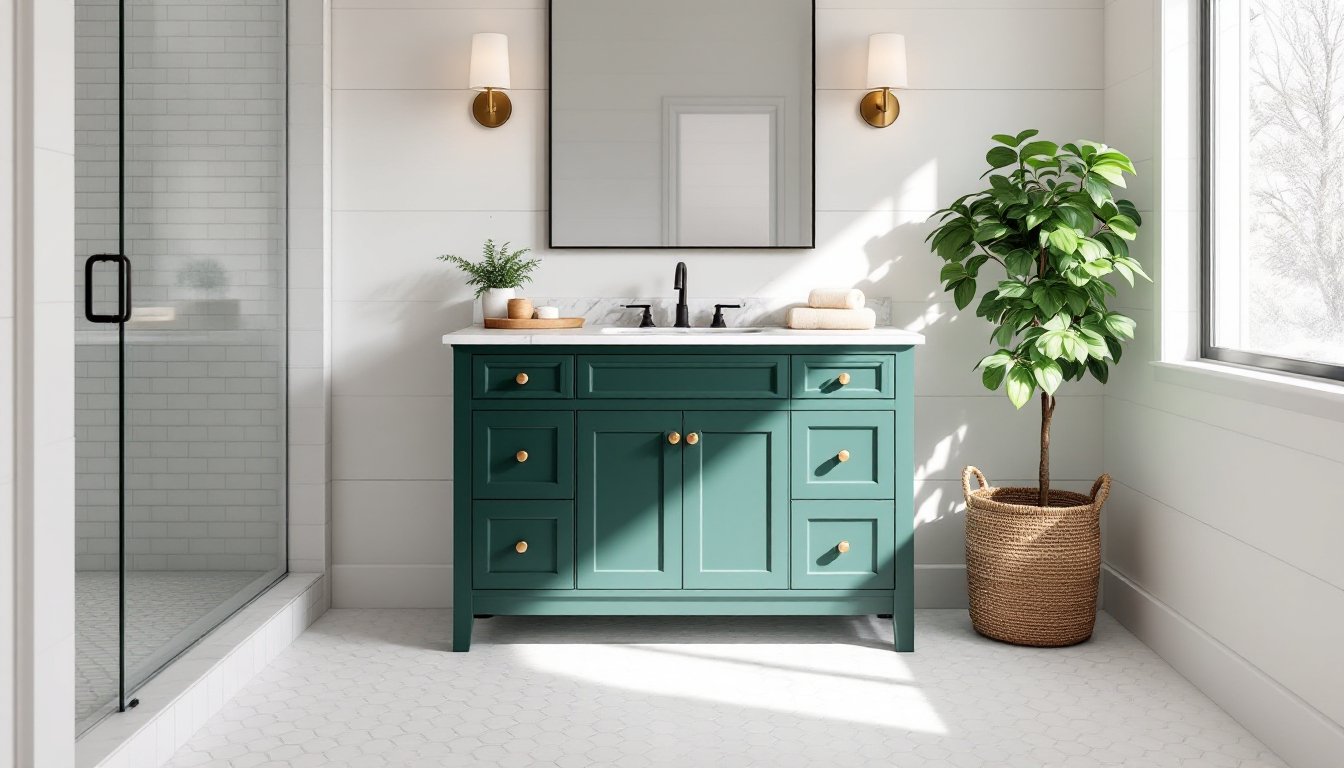
ToggleDark green vanities bring a sophisticated, nature-inspired elegance to bathrooms that builder-grade white cabinets simply can’t match. Whether the homeowner is drawn to moody, dramatic spaces or fresh botanical vibes, a dark green vanity anchors the room with personality and depth. The shade pairs surprisingly well with both modern and traditional fixtures, making it versatile enough for powder rooms, primary baths, and guest suites alike. This guide walks through proven design combinations, from countertop materials and hardware finishes to wall colors and lighting, that make dark green vanities work in real-world bathrooms.
Key Takeaways
- Dark green vanities combine timeless sophistication with practical durability, hiding wear better than white cabinetry while functioning as a near-neutral that evolves with design trends.
- Choose your dark green shade based on undertones—hunter green for modern spaces, forest green for versatility, and emerald green for warm, brass-forward designs.
- Pair dark green vanities with white marble for classic contrast, black granite for drama, or quartz for low-maintenance durability in busy family bathrooms.
- Adequate task lighting is essential with dark green vanities since the color absorbs light; install dual sconces at 60–65 inches above the floor combined with recessed overhead fixtures or LED mirror strips.
- White or off-white walls maximize light reflection and let the dark green vanity stand as the focal point, while warm neutrals like greige add cozy layering for larger bathrooms.
- Complete your dark green vanity design with mixed-metal hardware in unlacquered brass, matte black, or brushed nickel for maximum flexibility across any bathroom style.
Why Dark Green Vanities Are Trending in Bathroom Design
Dark green taps into the biophilic design movement, which emphasizes natural elements indoors. Colors like hunter green, forest green, and emerald create a grounding effect that feels both luxurious and calming, ideal for spaces meant for relaxation.
Unlike trendy pastels that can feel dated within a few years, dark green functions as a near-neutral. It works across decades of decor shifts because it mimics foliage, moss, and evergreen trees, timeless references that don’t scream a specific era. Homeowners who want color without the risk of a fast turnaround appreciate this longevity.
Dark green also hides wear better than white or light-colored cabinetry. Water spots, toothpaste splatters, and everyday grime don’t show as readily, making maintenance easier in high-traffic bathrooms. For DIYers painting existing vanities, a satin or semi-gloss finish in dark green provides durability and easy wipe-down cleanup.
Finally, the shade plays well with mixed-metal hardware and varied finishes, brass, black, chrome, nickel, giving designers flexibility. It doesn’t demand a single aesthetic the way stark white or black cabinets sometimes do.
Choosing the Right Shade of Dark Green for Your Vanity
Not all dark greens read the same under bathroom lighting. Hunter green leans cooler with blue undertones, making it a solid match for modern spaces with chrome or brushed nickel fixtures. Forest green sits in the middle, offering versatility that works with both warm and cool palettes. Emerald green carries yellow undertones, pairing beautifully with brass hardware and warmer wood tones.
Test paint samples on a scrap piece of plywood or directly on the vanity door in the actual bathroom. Observe the color at different times of day and under artificial light. Incandescent bulbs warm up greens, while LED daylight bulbs can make them appear cooler or grayer. If the existing vanity is solid wood or MDF, lightly sand the surface with 120-grit sandpaper, apply a bonding primer, then use a high-quality cabinet paint for durability.
For small bathrooms or powder rooms with limited natural light, consider a green with higher reflectivity, something that doesn’t go so dark it reads black. Larger primary baths with windows can handle deeper, moodier shades without feeling claustrophobic. Many designers recommend dramatic green-and-brass combinations for master baths seeking a bold, cohesive look.
If buying a pre-finished vanity, manufacturers often label colors with proprietary names. Cross-reference those with standard paint chips (Benjamin Moore, Sherwin-Williams) to understand the undertones before ordering.
Pairing Dark Green Vanities with Countertop Materials
White marble (Carrara, Calacatta) creates classic contrast and brightens the overall look. The gray veining in natural marble echoes cooler greens, while the white keeps the vanity from overwhelming a small space. Seal marble countertops properly, use a penetrating sealer every 6–12 months to prevent etching from toothpaste and cosmetics.
Black granite or soapstone delivers a dramatic, moody aesthetic. This combination works especially well in larger bathrooms where the dark-on-dark palette won’t feel cramped. Pair with ample task lighting and a lighter wall color to maintain balance.
Butcher block or wood countertops add warmth and texture. Choose a harder species like maple or walnut, and finish with a waterproof varnish or tung oil blend rated for wet environments. This pairing suits farmhouse, Scandinavian, or eclectic styles. Expect to resand and reseal wood countertops every 1–2 years depending on use.
Quartz in white, cream, or light gray offers durability without the maintenance demands of natural stone. Brands like Caesarstone and Cambria provide consistent patterning and stain resistance, ideal for busy family bathrooms. Quartz also handles heat and moisture better than laminate, though it’s pricier upfront.
For budget-conscious DIYers, solid-surface materials (Corian-style) can be cut and installed with standard woodworking tools. They’re repairable if scratched, and available in neutral tones that won’t compete with the green base.
Hardware and Fixture Finishes That Complement Dark Green
Unlacquered brass or aged brass develops a living patina that enhances the organic feel of dark green. This finish suits traditional, transitional, and modern farmhouse styles. Be aware that unlacquered brass requires occasional polishing if a uniform look is desired, though many homeowners prefer the natural aging process.
Matte black hardware and faucets provide sharp, contemporary contrast. Black cabinet pulls, towel bars, and shower fixtures ground the green and prevent the space from skewing too soft or traditional. This combination appears frequently in mid-century modern and industrial-inspired bathrooms.
Brushed nickel and satin nickel offer a middle-ground option, less stark than chrome, less warm than brass. These finishes work in nearly any style and won’t clash with existing plumbing fixtures if the homeowner isn’t replacing everything at once.
Polished chrome keeps the look crisp and clean, especially when paired with white marble or subway tile. It’s the most budget-friendly finish and widely available, making it a practical choice for DIY renovations.
When selecting cabinet hardware, consider pull length relative to drawer and door size. Standard pulls range from 3″ to 5″ center-to-center. For drawers wider than 24″, use two pulls for balance. If drilling new holes, use a template jig to ensure consistent placement, uneven hardware stands out on solid-color cabinetry.
Wall Colors and Tile Combinations for Dark Green Vanities
White or off-white walls (Benjamin Moore Simply White, Sherwin-Williams Alabaster) maximize light reflection and let the vanity stand as the focal point. This is the safest route for small bathrooms or spaces with limited natural light. Paint with a satin or semi-gloss sheen for moisture resistance and easy cleaning.
Warm neutrals like greige, taupe, or soft beige create a cozy, layered look. These tones prevent the green from reading too cool or clinical. Pair with natural wood accents or woven baskets to reinforce the warmth.
Soft blush or terracotta walls add an unexpected, earthy complement to dark green. This combination trends in eclectic and bohemian-style bathrooms. Test samples carefully, too much pink can clash with cooler green undertones.
Classic white subway tile (3″ × 6″) in a brick-lay or herringbone pattern offers timeless appeal. Use bright white grout for a crisp grid, or light gray grout to soften the contrast and hide soap scum. Standard subway tile costs $1–$3 per square foot and installs easily with basic tiling tools.
Hexagonal or penny tiles in white, cream, or marble provide texture underfoot or as a feature wall. These smaller formats work well in vintage-inspired or transitional bathrooms. Expect more grout lines and longer installation time compared to larger tiles.
Patterned cement tiles in geometric or floral motifs bring personality and movement. Choose patterns that incorporate green, white, and one accent color (navy, terracotta, gold) to tie the palette together. Cement tiles require sealing before and after grouting, skip this step and the tile will stain.
For shower surrounds, large-format porcelain slabs (12″ × 24″ or larger) minimize grout lines and streamline the look. Light gray or white slabs keep the space feeling open, while darker charcoal or black options echo the vanity for a moody, cohesive vibe. Many homeowners find inspiration for bathroom tile combinations on platforms like homify, which showcase a range of international design trends.
Lighting Solutions to Enhance Your Dark Green Vanity
Dark green absorbs light, so adequate illumination is critical. Poor lighting turns a sophisticated vanity into a cave.
Vanity sconces mounted on either side of the mirror at 60–65 inches above the finished floor provide even, shadow-free task lighting for grooming. Choose fixtures with frosted or opal glass shades to diffuse glare. For a modern look, try linear sconces in matte black or brass. Traditional bathrooms suit swing-arm or candle-style sconces.
Overhead recessed lighting supplements sconces but shouldn’t be the sole source. Space recessed cans 4–6 feet apart and use LED bulbs rated 2700–3000K (warm white) to prevent the green from looking muddy or gray. Avoid cool daylight bulbs (5000K+) unless the bathroom has abundant natural light.
Backlit mirrors or LED mirror strips add a layer of ambient light and create a floating effect that modernizes the space. These are especially useful in windowless powder rooms or basement bathrooms. Hardwired options require access to electrical, so plan during rough-in if remodeling. Plug-in LED strips offer an easier DIY alternative.
Pendant lights hung above the vanity work in bathrooms with higher ceilings (9 feet or more). Mount pendants 30–36 inches above the countertop to avoid head bumps. Glass or metal shades in brass, black, or clear finishes complement dark green without competing.
Dimmer switches let the homeowner adjust lighting for different tasks, bright for morning routines, softer for evening baths. Install a 600-watt or 150-watt LED-compatible dimmer depending on total bulb load. Turn off power at the breaker before swapping switches, and verify compatibility with LED bulbs to avoid flickering.
Natural light remains the best illuminator. If the bathroom has a window, skip heavy drapery. Use sheer or woven shades for privacy while allowing daylight to bounce off white walls and countertops. Design enthusiasts often browse shows on HGTV for lighting layout ideas tailored to various bathroom sizes and styles.
Conclusion
Dark green vanities offer a rare combination of trend-forward style and long-term versatility. By pairing the right shade with complementary countertops, hardware, wall colors, and lighting, homeowners create bathrooms that feel both current and timeless. Whether tackling a full remodel or a weekend paint project, the key is testing materials in the actual space and balancing bold color with enough light and contrast to keep the room functional and inviting.


