
Table of Contents
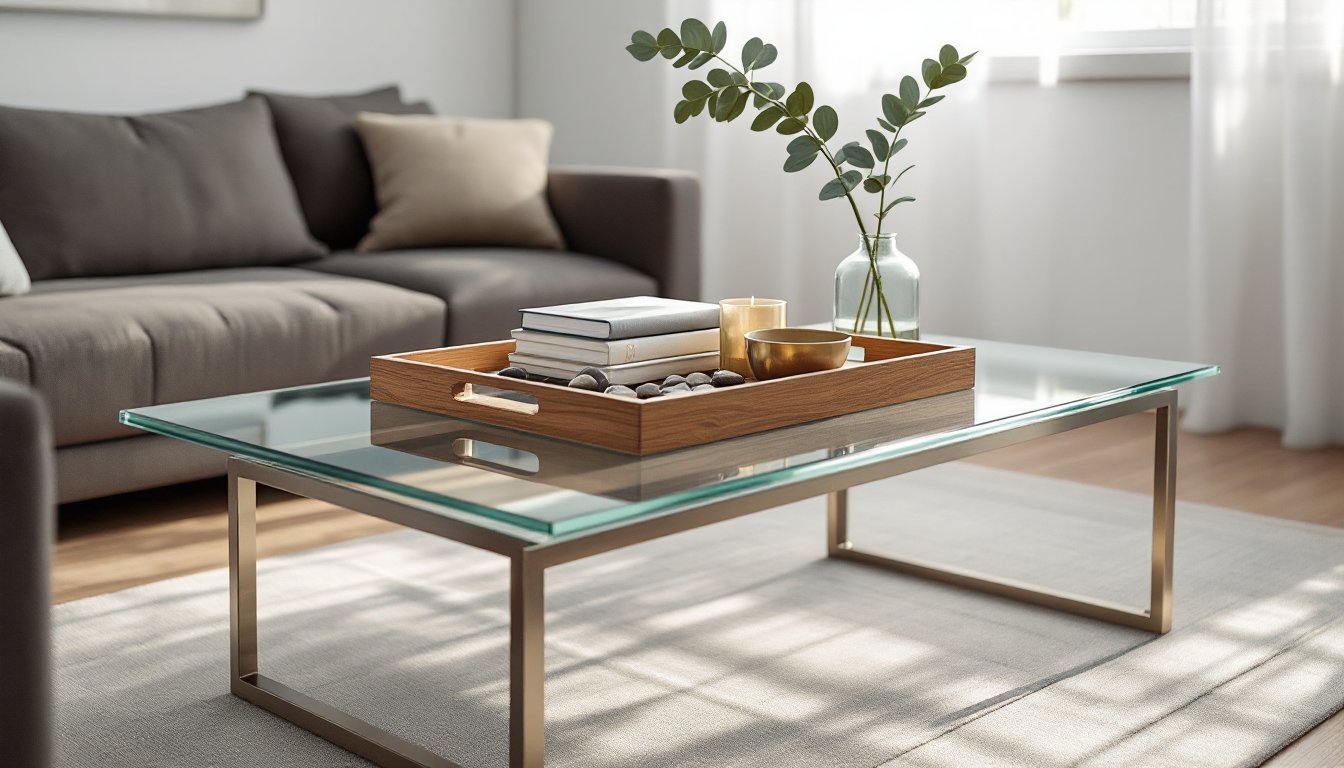
ToggleA glass coffee table is one of the most versatile pieces in a living room, transparent, unobtrusive, and capable of making a small space feel larger. But left bare, it can look sterile and unfinished. The trick isn’t to cover up the glass, but to use it as a backdrop for thoughtful, layered styling that showcases both the table and what’s underneath. Whether working with a minimalist floating pane or a chunky wood-and-glass hybrid, the same principles apply: balance, restraint, and intention. This guide breaks down proven styling approaches that work in 2026’s evolving interiors, from natural textures to bold statement objects.
Key Takeaways
- Glass coffee table decorating ideas rely on three core principles: balance, restraint, and intentionality—not covering the glass but using it as a backdrop for thoughtful styling.
- Apply the rule of thirds by dividing the table surface into three sections, placing objects in two zones while leaving one open to create breathing room and visual clarity.
- Layer objects at different heights (4–6 inch difference between tallest and shortest) and depths to create visual rhythm and guide the eye through the arrangement.
- Incorporate natural materials like reclaimed wood, stone, woven textures, and low-height greenery (6–10 inches) to soften the industrial edge of glass while adding warmth and authenticity.
- Limit styling to 3–5 objects total, including trays, to avoid a cluttered shelf look—whether you’re adopting minimalist precision, layered depth, or bold statement-piece approaches.
- Use one or two distinctive objects as conversation starters rather than filling the table with multiple items, allowing negative space to become an active design element.
Why Glass Coffee Tables Are Perfect for Modern Homes
Glass coffee tables solve two design problems at once: they provide a functional surface without visual weight, and they keep sightlines open in tighter floor plans. Unlike solid wood or upholstered ottomans, glass doesn’t chop a room into zones, it floats.
This transparency is especially useful in apartments, open-concept layouts, or rooms with dark flooring. The table becomes a functional layer rather than a barrier. It also pairs well with virtually any chair or sofa style, from mid-century modern to industrial metal frames.
Tempered glass tops (typically 3/8-inch to 1/2-inch thick) are standard in quality tables and resist chipping better than annealed glass. Most are rated to hold 50–75 pounds when properly supported by the base. That means stacking books, trays, or even a small terrarium is structurally fine, just avoid dropping heavy objects directly onto the surface.
Because glass shows fingerprints and dust easily, it forces intentionality. A cluttered glass table looks worse than a cluttered wood one. That’s not a flaw, it’s a design feature. It keeps styling honest.
Essential Styling Principles for Glass Coffee Tables
Start with the rule of thirds: imagine the table surface divided into three sections. Place objects in two of those zones and leave one open. This creates breathing room and avoids the museum-shelf look.
Vary heights across your arrangement. A tall vase, a medium stack of books, and a low bowl create visual rhythm. If everything sits at the same level, the eye skims right over it. Aim for at least a 4–6 inch difference between the tallest and shortest elements.
Use trays as anchoring tools. A wooden, metal, or lacquered tray corrals smaller items, remotes, coasters, candles, and gives them structure. It also protects the glass from scratches caused by rough-bottom objects. A tray can span one-third to half the table without overwhelming the surface.
Stick to three to five objects total, including the tray. More than that, and the table starts to feel like a shelf. Fewer, and it risks looking neglected. Edit ruthlessly: if an object doesn’t serve a function or spark a reaction, it’s filler.
Finally, consider what’s underneath the glass. If the table has a lower shelf or open base, style that layer too, stacked art books, a folded throw, or a sculptural object. It adds dimension and takes advantage of the table’s transparency.
Layered Décor: Creating Depth and Visual Interest
Layering means placing objects at different planes, foreground, middle, and back, so the eye moves through the arrangement instead of landing on one flat horizon.
Start with a low base layer: a runner, woven placemat, or piece of textured linen. This anchors the arrangement and softens the hard edges of glass. Natural fibers like jute, linen, or cotton add warmth without blocking the view. Keep it to 12–18 inches wide so it doesn’t dominate the surface.
Next, add a mid-height object such as a stack of two or three hardcover books. Coffee table books aren’t just décor, they’re conversation pieces. Choose titles that reflect actual interests (architecture, photography, regional travel) rather than generic bestsellers. Stack them with the largest on the bottom, and offset the spines slightly for a casual feel.
Top the stack with a small sculptural object: a ceramic bowl, a brass figurine, or a geode. This creates a focal point and draws the eye upward. The object should contrast in material, smooth ceramic on rough linen, polished metal on matte paper.
Finally, add a vertical element to one side: a bud vase with a single stem, a taper candle in a holder, or a small potted succulent. Height breaks the horizontal plane and keeps the arrangement from feeling squat. Aim for 8–12 inches tall to avoid blocking sightlines across the room.
This layered approach works whether the aesthetic skews modern, bohemian, or traditional. The materials change, but the structure stays consistent. Many of these same principles apply when working with outdoor styling projects, where layering textures at varied heights creates visual interest in compact spaces.
Natural Elements and Organic Textures
Natural materials soften the industrial edge of glass and metal bases. They also ground a room in tactile, organic textures that balance out synthetic finishes elsewhere.
A wooden tray or bowl is the easiest entry point. Look for reclaimed wood, teak, or walnut with visible grain. The contrast between raw wood and polished glass is immediate and effective. A shallow wooden bowl can hold remotes, charging cables, or small succulents without looking utilitarian.
Greenery adds life, literally. A low succulent arrangement in a ceramic planter or a single fiddle-leaf stem in a glass vase brings color and movement. Avoid tall, top-heavy plants that wobble or block the TV. Stick to 6–10 inches in height unless the table is oversized. If live plants aren’t practical, high-quality faux stems (like preserved eucalyptus or pampas grass) work, but avoid anything shiny or plasticky.
Stone and minerals introduce weight and texture. A chunk of raw quartz, a polished agate slice, or a marble coaster set adds geological interest. These objects feel intentional, not fussy, and they’re nearly indestructible. According to design resources like Decoist, organic materials remain a dominant trend in modern interiors for their ability to add warmth and authenticity.
Woven baskets or textiles can sit underneath the table on a lower shelf or be used as a catchall on top. A small rattan basket corrals magazines or throws without the clutter. Linen napkins, a vintage kilim runner, or a piece of raw-edge burlap add softness and break up the glass’s reflective surface.
The goal isn’t to create a nature table, it’s to introduce one or two organic elements that feel grounded and intentional. Mixing materials prevents the space from skewing too sleek or too rustic.
Minimalist and Contemporary Styling Approaches
Minimalism on a glass table isn’t about emptiness, it’s about precision. Every object earns its place through form, function, or both.
Start with a single sculptural object: a ceramic vase, a geometric metal candle holder, or a matte-black bowl. The piece should have clean lines and a strong silhouette. Avoid anything fussy, ornate, or overly colorful. Neutrals, white, black, concrete gray, brushed brass, dominate this approach.
If books are included, limit it to one or two and choose editions with minimal cover design. Monochrome spines or linen-wrapped hardcovers fit the aesthetic better than glossy bestsellers. Place the stack off-center and leave at least 60% of the table surface clear.
Negative space is the key design element. A minimalist table shouldn’t feel styled, it should feel like three perfect objects happened to land there. The arrangement works because of what’s not there. This restraint is harder than it looks: it requires resisting the urge to fill every corner.
For contemporary styling with a bit more warmth, add one textural element: a linen runner, a concrete tray, or a piece of driftwood. The texture keeps the space from feeling sterile while maintaining the clean-lined ethos. Platforms like Homify showcase hundreds of contemporary table arrangements that balance minimalism with livability.
Avoid: coasters in a stack (use a hidden drawer or side table), remote controls (tray or basket), and anything that flashes, beeps, or plugs in. If it has a cord, it doesn’t belong on a minimalist coffee table.
This approach works especially well in smaller living rooms, where visual clutter makes the space feel tighter. A nearly bare glass table opens up the floor and lets the eye move freely.
Bold Statement Pieces and Conversation Starters
Sometimes the table isn’t the backdrop, it’s the stage. Bold styling uses one or two large, distinctive objects that demand attention and anchor the room.
A large sculptural bowl or vessel can dominate the table in the best way. Think hand-thrown ceramics, oversized wooden dough bowls, or hammered metal centerpieces. These objects should be 12–18 inches in diameter and sit low enough not to block conversation across the table. Fill the bowl with seasonal elements, dried citrus, moss balls, or decorative spheres, or leave it empty to showcase the form.
Art books can be statement pieces when chosen for their covers. A book on Bauhaus architecture, Japanese gardens, or contemporary sculpture does double duty as décor and reading material. Stack no more than three, and orient them so the most striking cover faces up.
Unique collected objects tell a story: a vintage brass compass, a piece of driftwood from a memorable trip, a framed insect specimen, or a small antique scale. These items spark conversation and give the room personality. They work best when they’re authentic, things that mean something, not tchotchkes bought for the sake of styling. Resources like The Spruce highlight the importance of personal curation in making a house feel like a home.
For those who enjoy creative DIY styling, repurposed or upcycled objects bring character and a sense of craftsmanship to indoor spaces just as they do outdoors.
Oversized candles in architectural holders, concrete, blackened steel, or raw brass, add drama and function. Pillar candles 4–6 inches in diameter create presence without tipping over. Avoid tapers unless the holder is exceptionally stable: a knocked-over candle on glass is a scratch waiting to happen.
Glassware or decanters lean into the transparency of the table itself. A crystal decanter, a collection of vintage glass bottles, or a set of handblown tumblers creates a layered, reflective effect. This works especially well on tables with metal or mirrored bases, where light and reflection become part of the design.
Bold doesn’t mean busy. One standout piece, styled with intention, will always outperform five mediocre objects fighting for attention.
Conclusion
Styling a glass coffee table comes down to balance, between visual weight and transparency, between function and form, between restraint and personality. The glass itself is the anchor: everything else should either complement its clarity or contrast it with texture and mass. Start with fewer objects than feel necessary, edit ruthlessly, and remember that negative space isn’t wasted, it’s part of the design. Whether leaning minimal or maximal, the goal is the same: a surface that looks intentional, lived-in, and unmistakably yours.


