
Table of Contents
ToggleCreating a cosy bedroom doesn’t require a full renovation or a contractor on speed dial. With a few deliberate material choices and some thoughtful layering, anyone can turn a basic bedroom into a warm retreat worth coming home to. This guide walks through practical, hands-on strategies, from bedding layers and lighting adjustments to texture additions and color shifts, that deliver real comfort without the fluff. Whether the goal is a better night’s sleep or just a space that feels inviting after a long day, these ideas focus on what works.
Key Takeaways
- Layered bedding with quality materials like cotton or linen sheets, lightweight blankets, and adjustable duvets creates customizable warmth and comfort throughout the night.
- Cosy bedroom ideas thrive on ambient lighting: swap harsh overhead fixtures for dimmable sources, warm-toned bulbs (2700K–3000K), and layered light sources like bedside lamps and LED strips behind headboards.
- Texture through rugs, throws, and cushions transforms a bedroom from staged to lived-in; prioritize natural fibers and materials that invite touch over perfect color matching.
- Warm, soothing color palettes—taupes, soft grays with beige undertones, creamy whites, and muted terracottas—promote rest better than cool whites and stark grays.
- Natural elements like wood furniture, houseplants, and woven baskets add warmth and authenticity while improving air quality and storage functionality.
- A dedicated reading nook with a supportive chair, warm task lighting, and layered textiles creates a personal retreat within the bedroom without requiring major renovations.
Layer Your Bedding for Ultimate Comfort and Warmth
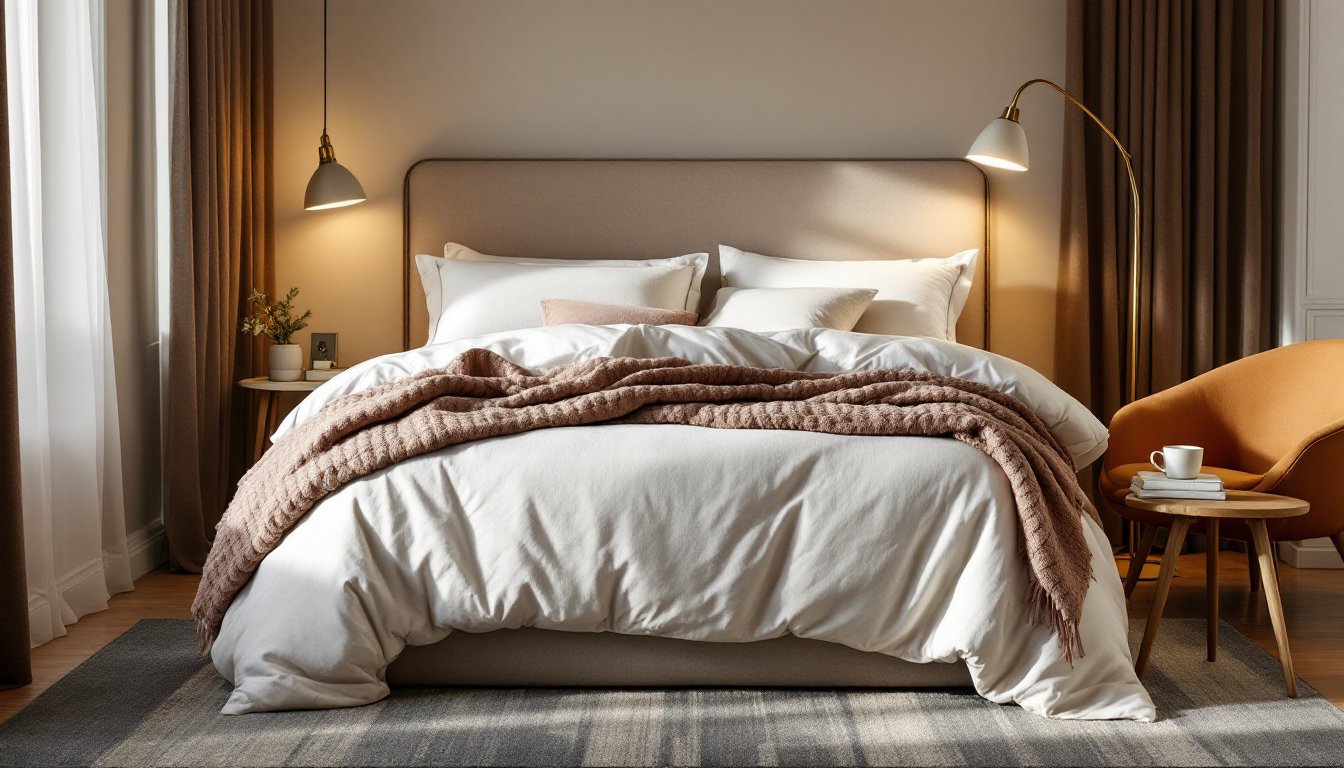
Layered bedding isn’t just about aesthetics, it’s functional insulation and customizable comfort. Start with a quality fitted sheet in cotton or linen (thread count between 300–400 works well for breathability and durability). Add a flat sheet, then a lightweight blanket or coverlet, followed by a duvet or comforter.
For colder climates, consider a wool or down duvet with a tog rating between 10.5 and 13.5 for winter use. Down alternative works if allergies are a concern. The key is creating removable layers so occupants can adjust warmth throughout the night without overheating.
Pillows matter more than most DIYers realize. Mix firm support pillows (for neck alignment) with softer Euro shams or decorative pillows in flannel, velvet, or knit covers. Aim for at least two sleeping pillows per person, plus one or two accent pillows for visual warmth.
Don’t skip the bed skirt or base layer. A tailored bed skirt hides under-bed storage and adds a finished look. For a more relaxed vibe, let a textured linen duvet drape naturally over the sides. The goal is visual weight and tactile variety, bedding should invite touch, not just look good from the doorway.
Create Ambient Lighting with Warm, Soft Light Sources
Overhead lighting kills cosy faster than anything else. Swap out harsh ceiling fixtures for layered, dimmable sources that offer control and warmth. Install a dimmer switch on existing overhead lights, most retrofit dimmers cost under $20 and take 15 minutes to install with basic electrical knowledge. Always turn off power at the breaker before working with any wiring.
Add bedside lamps with warm-toned bulbs (2700K to 3000K color temperature). Look for fixtures with fabric or frosted glass shades that diffuse light rather than spotlighting. If nightstands are small, consider wall-mounted swing-arm lamps to save surface space. These typically mount to a standard electrical box or directly to a stud with toggle bolts for drywall applications.
String lights or LED tape lighting behind a headboard or along crown molding add subtle glow without glare. Choose warm white LEDs, not the cool blue-toned versions. For a polished look, run LED strips inside a shallow channel or behind a floating headboard frame. Power them with a plug-in transformer and hide the cord along baseboards or inside cable raceways.
Candles (real or battery-operated) provide flicker and movement that static lighting can’t match. If using real candles, keep them on stable surfaces away from fabrics and never leave them unlit. Battery-operated LED candles with timers offer the same visual warmth without the fire risk, and they’re a safer choice for bedrooms.
Add Texture Through Rugs, Throws, and Cushions
Texture is what separates a staged room from one that feels lived-in and comfortable. Start with an area rug sized appropriately for the bed, at least 8′ x 10′ for a queen, with 18″–24″ extending beyond each side of the bed frame. Natural fiber rugs (jute, sisal, wool) add warmth underfoot, but layer a softer rug on top if barefoot comfort is a priority.
Throws should be within arm’s reach. Drape a chunky knit or faux fur throw over the foot of the bed or across a reading chair. Look for materials like chenille, boucle, or merino wool that invite touch. Avoid synthetic microfiber that pills quickly, it looks cheap after a few washes.
Cushions and pillows in varying sizes add visual and physical softness. Mix linen, velvet, and wool covers in complementary tones. Don’t match everything, variation in texture is more important than perfect color coordination. Use inserts that are slightly larger than the cover (e.g., a 20″ insert in an 18″ cover) for a fuller, plumper look.
Consider adding a padded headboard if the current setup is hard or bare. Upholstered headboards in linen, velvet, or faux leather add a soft backdrop and improve acoustics by absorbing sound. DIYers can build a simple padded headboard using ½” plywood, 2″ foam padding, batting, and fabric, secured with a staple gun and mounted with French cleats or heavy-duty picture hangers rated for the weight.
Choose a Warm, Soothing Color Palette
Color temperature affects mood more than most people expect. Warm neutrals, taupes, soft grays with beige undertones, creamy whites, and muted terracottas, create a grounded, restful atmosphere. Cool whites and stark grays can feel clinical in bedrooms, especially in spaces with limited natural light.
If painting, test samples on at least two walls (one with morning light, one with evening light). Paint color shifts dramatically depending on the room’s orientation and artificial lighting. Use a satin or eggshell finish for walls, it’s easier to clean than flat paint and doesn’t create glare like semi-gloss.
Accent walls work well in bedrooms, especially behind the bed. Consider deep, moody tones like charcoal, navy, forest green, or burgundy for a cocoon effect. Balance dark walls with lighter bedding and adequate lighting to avoid a cave-like feel. One gallon of paint typically covers 350–400 square feet, so a standard 12′ x 14′ bedroom (roughly 400 sq ft of wall space accounting for openings) needs about one gallon for a single coat.
For renters or anyone avoiding paint, use removable peel-and-stick wallpaper in warm patterns, subtle stripes, botanical prints, or textured linen-look designs. Application is straightforward: clean walls, measure and cut panels, apply from top to bottom, smoothing out bubbles with a plastic smoother. Most peel-and-stick options remove cleanly without damaging drywall.
Incorporate Natural Elements and Cosy Materials
Bringing in natural materials adds warmth and visual interest that synthetic alternatives can’t replicate. Wood tones, whether in furniture, picture frames, or decorative bowls, ground a space and pair well with textile layers. Look for pieces in walnut, oak, or reclaimed pine for varied grain and character.
Houseplants improve air quality and add life to static corners. Low-light varieties like pothos, snake plants, and ZZ plants thrive in bedrooms with limited natural light. Use ceramic or terracotta pots rather than plastic, they’re heavier, more stable, and wick moisture better. Always use pots with drainage holes and saucers to prevent water damage to furniture or floors.
Woven baskets provide storage for extra blankets, pillows, or off-season clothing while adding texture. Seagrass, rattan, and wicker baskets are lightweight and durable. They’re also easy to move around, which helps when the bedroom layout needs adjusting.
Consider adding a few design elements that inspire relaxation, such as integrating ideas from budget home makeovers to personalize the space. Swap plastic or metal lampshades for linen or burlap versions. Replace synthetic curtains with cotton, linen, or wool blends. Even small swaps, wooden hangers instead of plastic, a ceramic tray instead of acrylic, shift the overall feel toward warmth and authenticity.
Design a Reading Nook or Relaxation Corner
If square footage allows, carve out a small corner dedicated to unwinding. A reading nook doesn’t require much, just a comfortable chair, adequate lighting, and a small side table. Position the chair near a window if possible, but avoid direct drafts in colder months.
Choose a chair with good back support and a seat depth of at least 20″–22″. Upholstered armchairs, small recliners, or even a cushioned bench with throw pillows work well. Add a floor lamp or adjustable task light with a warm bulb (2700K–3000K) positioned to reduce glare on reading material.
A small side table (16″–20″ diameter) holds books, a mug, or reading glasses. Look for tables with lower shelves or drawers for extra storage. If space is tight, wall-mounted floating shelves or a narrow console table (8″–10″ deep) can work.
Incorporating layered textiles often seen in cozy bedroom design ideas can further enhance the nook’s comfort. Layer the chair with a throw blanket and a lumbar pillow for lower back support. If the floor is cold, add a small area rug (4′ x 6′ or 5′ x 7′) under the chair and table to define the zone and add warmth underfoot. The goal is a self-contained retreat within the larger bedroom, a spot that’s visibly different from the sleeping area.
Conclusion
Building a cosy bedroom comes down to intentional layering, fabrics, lighting, color, and natural materials working together. None of these changes require a permit or a pro, just a willingness to test, adjust, and add texture where it counts. The result is a space that doesn’t just look inviting but genuinely feels like a retreat worth spending time in.


