
Table of Contents
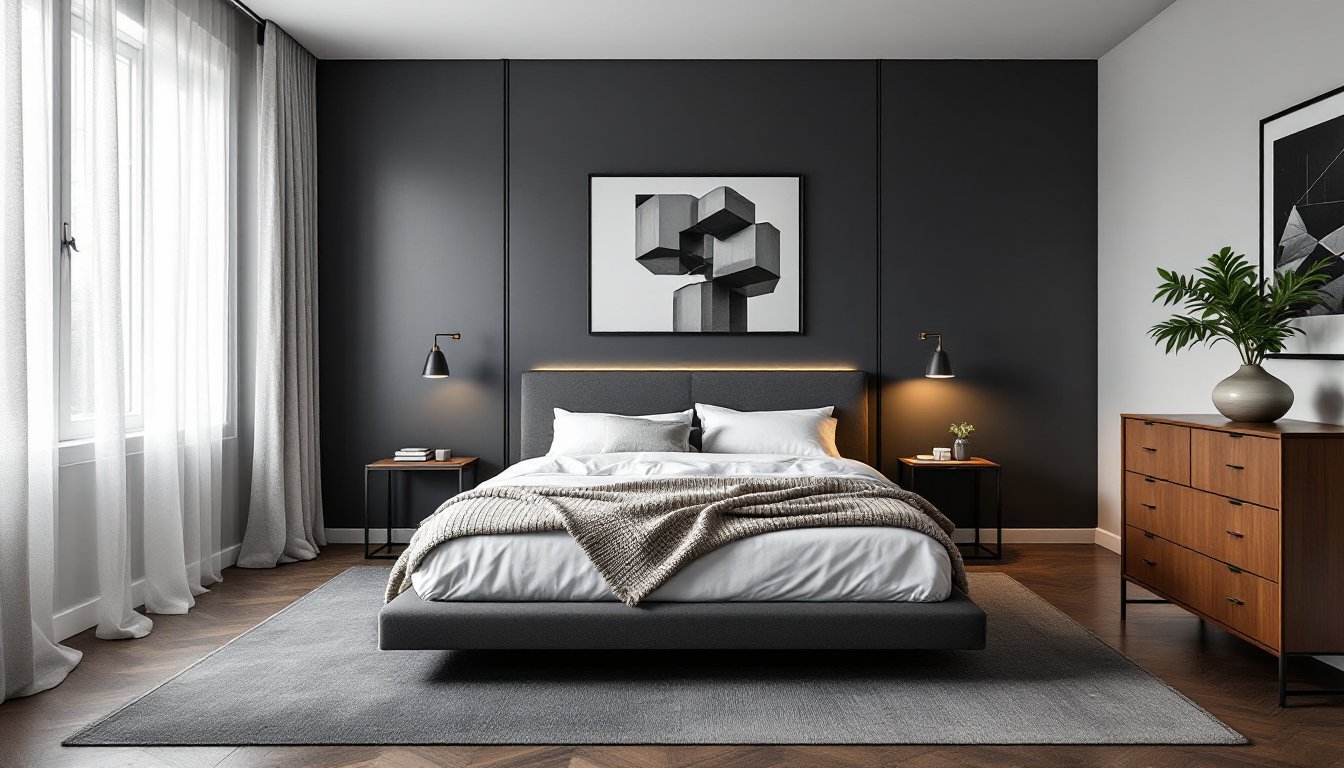
ToggleA dark bedroom doesn’t have to feel oppressive or cramped. When executed properly, a dark color scheme creates a masculine, grounded space that’s equal parts bedroom, sanctuary, and style statement. Dark walls absorb light rather than bounce it, which means the room feels quieter, more intimate, and easier to rest in. This approach works especially well in bedrooms, where the goal isn’t to energize but to wind down. The key is balancing bold, moody color with thoughtful lighting, texture, and layout decisions that prevent the space from feeling like a cave.
Key Takeaways
- Dark mens bedroom ideas create a calming, grounded sanctuary by using dark walls to absorb light and promote better sleep and relaxation rather than energizing the space.
- Charcoal gray, navy blue, and deep green are the best dark color choices for men’s bedrooms, as they provide neutral backdrops that make furniture and bedding stand out while hiding wall imperfections.
- Layered lighting with dimmers, bedside sconces, and accent lighting is essential to prevent dark bedrooms from feeling like caves and to maintain visual depth and functionality.
- Choose furniture with clean lines and strong silhouettes in contrasting finishes—such as pairing dark wood beds with metal nightstands—to create visual interest against dark walls.
- Incorporate varied textures through linen bedding, woven throws, wood accents, and metal fixtures to prevent the room from appearing flat and one-dimensional.
- Strategic artwork and proper spacing between furniture and walls add depth and prevent the room from feeling cluttered or oppressive in a dark masculine bedroom design.
Why Dark Color Schemes Work Perfectly in Men’s Bedrooms
Dark paint creates visual weight and depth that lighter colors can’t match. In a bedroom, where the priority is rest rather than productivity, that weight translates to a cocoon-like calm. Dark walls also hide minor imperfections better than white or light gray, dings, nail holes, and uneven drywall texture fade into the background.
From a design standpoint, dark colors provide a neutral backdrop that makes lighter furniture, bedding, and accent pieces pop. A white duvet on charcoal walls has more contrast and presence than the same duvet on beige. This lets the room’s focal points, headboard, nightstands, artwork, do the heavy lifting without competing with busy wall color.
There’s also a practical angle: dark bedrooms stay cooler visually, which can make the space feel more comfortable in warmer climates. The psychological effect of a dark room signals nighttime, which can help with winding down, especially for shift workers or anyone trying to improve sleep hygiene. Just be prepared to commit to the look, once you go dark, switching back to light paint means multiple coats of primer to cover the pigment.
Choosing the Right Dark Color Palette
Not all dark colors are created equal. The difference between a bedroom that feels intentional and one that feels like a mistake often comes down to undertones and how colors interact with natural and artificial light.
Charcoal Gray and Black Combinations
Charcoal gray is the workhorse of dark masculine palettes. It’s neutral enough to pair with almost any accent color, and it doesn’t show dust or scuffs as harshly as true black. For walls, look for paint with a matte or eggshell finish, glossier finishes will highlight every imperfection and create glare from windows and lamps.
When pairing charcoal with black, use black as an accent rather than a dominant color. Black trim, black metal bed frames, or black window frames create definition without overwhelming the room. A common mistake is painting everything the same dark shade, which flattens the space and removes depth. Instead, vary the tones slightly: charcoal walls, slightly lighter charcoal ceiling, and black or dark walnut furniture.
If the room gets decent natural light, consider a warmer charcoal with brown undertones rather than a cool gray with blue undertones. Cool grays can feel sterile in north-facing rooms or spaces with only artificial light.
Navy Blue and Deep Green Accents
Navy blue adds richness without the starkness of black. It works particularly well in bedrooms with white or light wood trim, where the contrast keeps the space from feeling too heavy. Navy has enough color presence to feel intentional but stays neutral enough to avoid clashing with bedding or artwork.
Pair navy walls with brass or gold-tone hardware and lighting fixtures. The warm metal tones balance the coolness of the blue. Avoid chrome or brushed nickel with navy unless you’re intentionally going for an industrial look.
Deep green, think forest, hunter, or charcoal green, brings an organic, grounded feel that works in bedrooms with wood furniture or exposed brick. Green has the advantage of being psychologically calming, which aligns with the function of a bedroom. Use it on an accent wall behind the bed, or commit to all four walls if the room has high ceilings and plenty of light.
Both navy and deep green benefit from layering in lighter neutrals: white bedding, cream or tan throw pillows, light oak or walnut furniture. This prevents the room from reading as monochromatic and keeps it from feeling too cave-like.
Essential Furniture and Layout Tips for Dark Bedrooms
Furniture selection matters more in a dark room because contrast is your primary tool for visual interest. Stick with furniture that has clean lines and a strong silhouette, overly ornate pieces get lost against dark walls.
Platform beds with low profiles work well in dark bedrooms. They anchor the space without adding visual clutter. Look for beds in dark wood (walnut, espresso, blackened oak) or upholstered frames in charcoal, black, or deep gray. Leather or linen upholstery adds texture, which is critical in a room where color variation is minimal.
Nightstands and dressers should either match the bed’s finish or provide contrast. If the bed is dark wood, consider metal nightstands in black steel or matte brass. If the bed is upholstered in dark fabric, use wood nightstands in a mid-tone finish to break up the monotony.
Keep the layout simple. In a dark room, overcrowding furniture makes the space feel chaotic rather than cozy. Leave clear pathways around the bed, and resist the urge to fill every corner. A well-placed chair or bench at the foot of the bed is often enough.
Avoid placing large furniture directly against the darkest wall without a visual buffer. A few inches of space or a slim console behind the headboard creates breathing room and prevents the furniture from blending into the wall. Many masculine bedroom designs use this separation to define zones within the room.
Lighting Strategies to Balance Dark Walls and Surfaces
Dark bedrooms require layered lighting. A single overhead fixture won’t cut it, you’ll end up with harsh shadows and dead zones.
Start with ambient lighting: a ceiling fixture or recessed can lights on a dimmer. Dimmers are non-negotiable in a dark bedroom. They let you control the mood and brightness without swapping out bulbs. Aim for warm white bulbs (2700K–3000K) rather than cool white, which can make dark walls look muddy or blue.
Add task lighting at the bedside: wall-mounted sconces or adjustable swing-arm lamps save nightstand space and provide focused light for reading. Mount sconces 18–24 inches above the mattress and about 12 inches out from the edge of the nightstand. Hardwiring is cleaner than plug-in models, but if you’re avoiding electrical work, look for plug-in sconces with a fabric-covered cord in a color that blends with the wall.
Accent lighting adds depth. Use LED strip lights under floating nightstands or behind the headboard to create a soft glow that washes the wall. Uplighting a plant or artwork draws the eye and prevents the room from feeling flat. Table lamps with opaque shades direct light down and up, which is more flattering in a dark room than clear glass shades that throw light in all directions.
If the room has windows, don’t block them. Dark walls already limit reflected light, so maximize natural light during the day with sheer or light-filtering shades rather than blackout curtains as the only option. Layering sheers with blackout shades gives flexibility.
Textures and Materials That Elevate a Dark Masculine Bedroom
Color variation is limited in a dark bedroom, so texture does the heavy lifting. Without it, the room reads as flat and one-dimensional.
Linen bedding adds subtle texture and a matte finish that contrasts nicely with dark walls. Avoid high-thread-count sateen, which can look too shiny and formal. Stick with white, cream, or light gray for the duvet and sheets to keep the bed from disappearing into the background.
Layer in a knit or woven throw at the foot of the bed, chunky knit, cable-knit, or a textured cotton weave. This adds dimension and makes the bed feel more inviting. Keep the color neutral: oatmeal, charcoal, camel, or black.
Wood and metal accents are essential. A live-edge wood headboard, walnut nightstands, or a reclaimed wood accent wall behind the bed introduce warmth and organic texture. Metal bed frames, light fixtures, and hardware in matte black, brushed brass, or blackened steel provide contrast and a bit of edge.
Rugs anchor the space and soften hard flooring. A wool or jute rug in a low-pile weave works well, high-pile rugs can feel too plush and decorative in a masculine space. Size matters: the rug should extend at least 18–24 inches beyond the sides and foot of the bed. For a king bed, that’s typically an 8×10 or 9×12 rug.
Leather and canvas also fit the vibe. A leather bench, a canvas wall hanging, or leather drawer pulls add tactile interest without softening the room too much. Contemporary home design ideas often incorporate these materials to balance industrial and organic elements.
Finally, don’t skip artwork. Large-scale black-and-white photography, abstract prints, or framed architectural drawings work well. Mount pieces at eye level (center of the artwork around 57–60 inches from the floor) and use picture lights or accent lighting to highlight them. This pulls focus and adds a gallery-like quality to the space. Platforms like homify showcase how strategic art placement transforms dark interiors into curated, intentional environments.


